




Autor
Casey Cinello
Publicaciones 43
Casey tiene una licenciatura en matemáticas y un MBA, aportando una perspectiva de análisis de datos y negocio a Infragistics. Es la Senior Product Manager del producto de análisis embebido Reveal y de la plataforma de gestión laboral Slingshot. Es fundamental en el desarrollo de Infragistics producto, análisis de mercado y estrategia de comercialización de productos. También es la responsable de la encuesta Reveal Software Development Challenges, que se publica anualmente desde 2019. El trabajo de Casey ha sido publicado en SaaSXtra, SD Times, Solutions Review, Integration Developer News y Dataversity, entre otros. Se incorporó a Infragistics en 2013.

5 formas de superar los desafíos de integración en Análisis integrado
Por Casey Ciniello
La analítica integrada se ha convertido en un componente vital de las aplicaciones modernas, ya que proporciona a los usuarios información en tiempo real que impulsa decisiones más inteligentes. Sin embargo, la integración perfecta de estos análisis en sus sistemas existentes suele ser más fácil de decir que de hacer.
Sigue leyendo...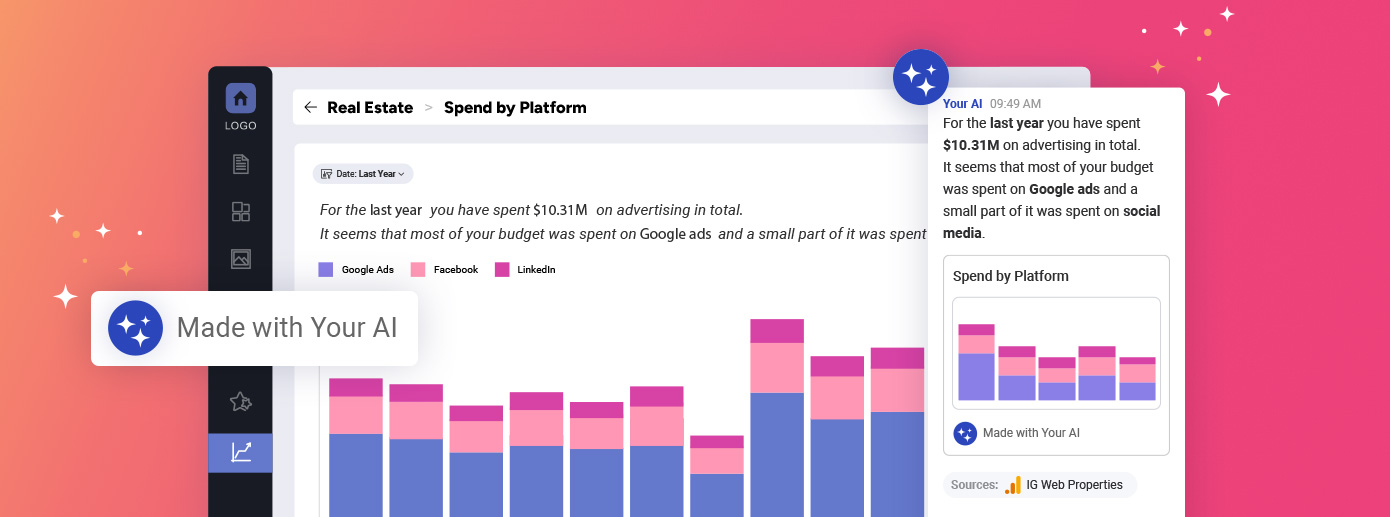
Analítica conversacional en Análisis integrado
Por Casey Ciniello
La analítica conversacional ofrece a los usuarios una forma más rápida de obtener información al permitirles hacer preguntas directas en lugar de crear informes. Reduce la fricción en el producto y ayuda a los equipos a ofrecer respuestas claras sin necesidad de clics o pasos técnicos adicionales. El reto surge cuando el software de análisis conversacional depende de servicios de IA externos, lo que genera riesgos de seguridad y control de datos. Reveal soluciona esto con una arquitectura que mantiene la IA dentro de tu entorno y aplica tus reglas existentes a cada solicitud. Obtienes una capa segura y flexible que soporta consultas en lenguaje natural sin exponer tus datos.
Sigue leyendo...¿Por qué la flexibilidad en Análisis integrado no es negociable?
Por Casey Ciniello
En este artículo, exploraremos las implicaciones de la personalización limitada en la analítica integrada y por qué es un problema crítico para los directores de tecnología, los gerentes de productos y los equipos de desarrollo.
Sigue leyendo...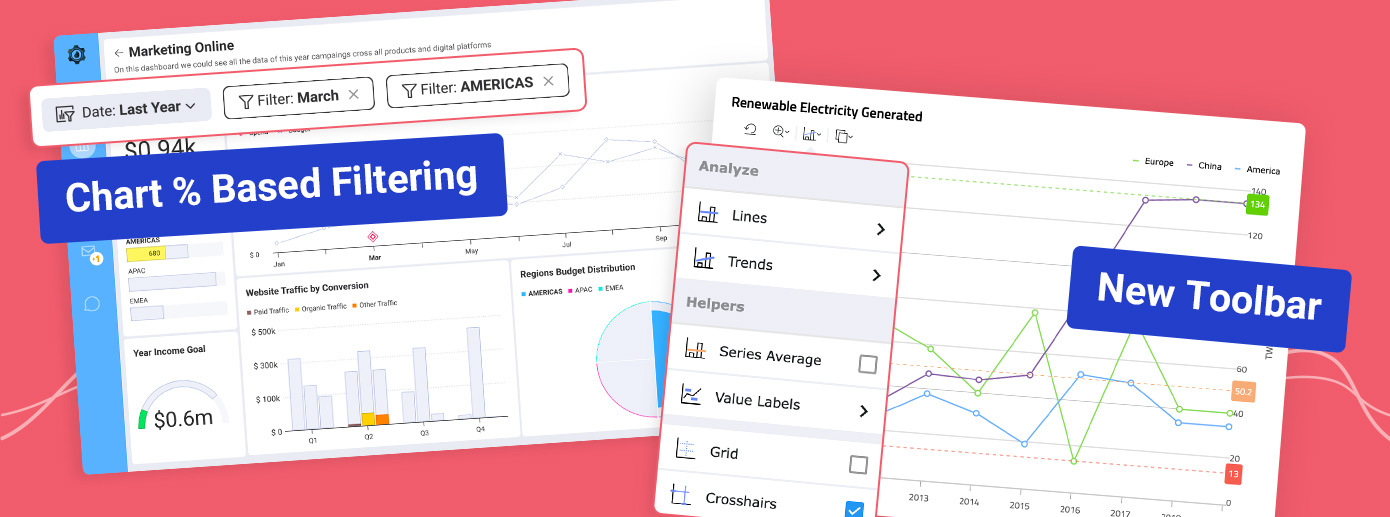
Reveal 1.6.7 ya está aquí! Filtrado basado en porcentajes de gráficos, seguridad mejorada para orígenes de datos SQL y más...
Por Casey Ciniello
Estamos encantados de anunciar el lanzamiento de Reveal 1.6.7. Esta versión presenta una serie de nuevas y potentes funciones y mejoras de análisis diseñadas para ofrecer una personalización superior, una integración más profunda y capacidades de análisis más sólidas.
Sigue leyendo...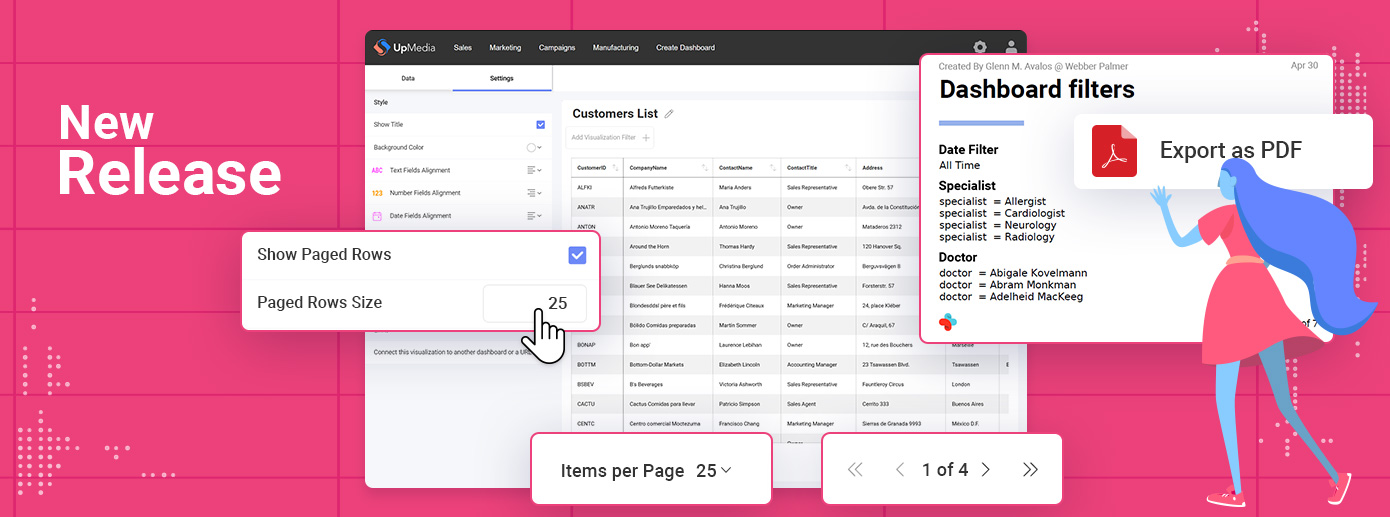
Reveal 1.6.6: Novedades en Análisis integrado
Por Casey Ciniello
Obtenga información sobre las últimas características y mejoras de Reveal, la plataforma de análisis integrada potente y fácil de usar.
Sigue leyendo...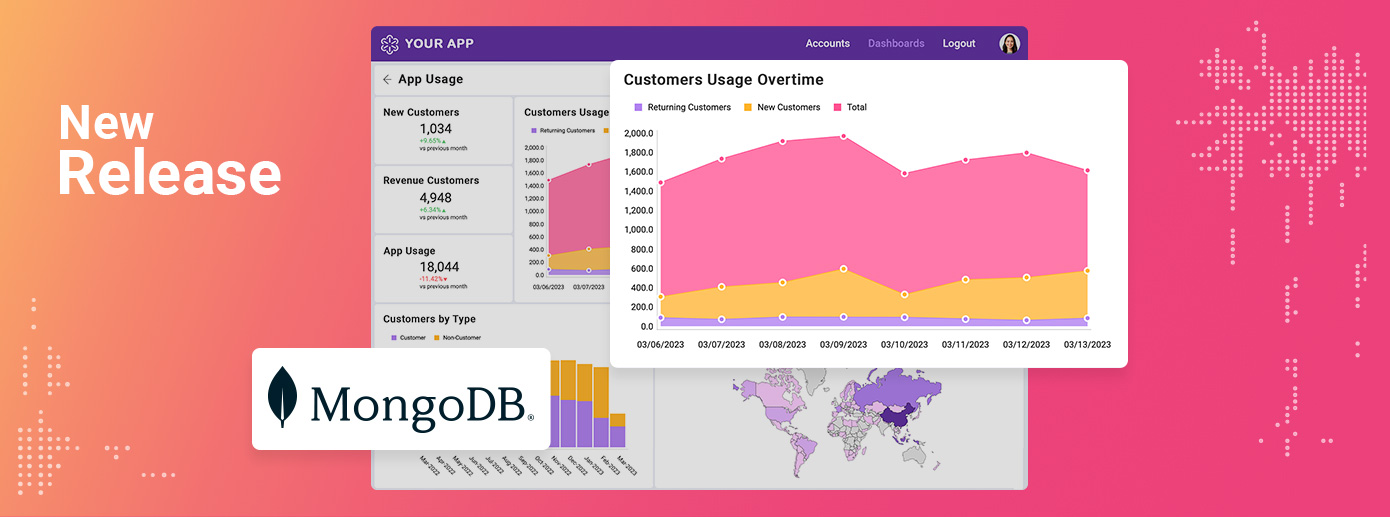
Compatibilidad con MongoDB y más en Reveal 1.6.1. Lanzamiento
Por Casey Ciniello
La última versión Reveal, 1.6.1, ya está aquí, repleta de mejoras basadas en sus comentarios.
Sigue leyendo...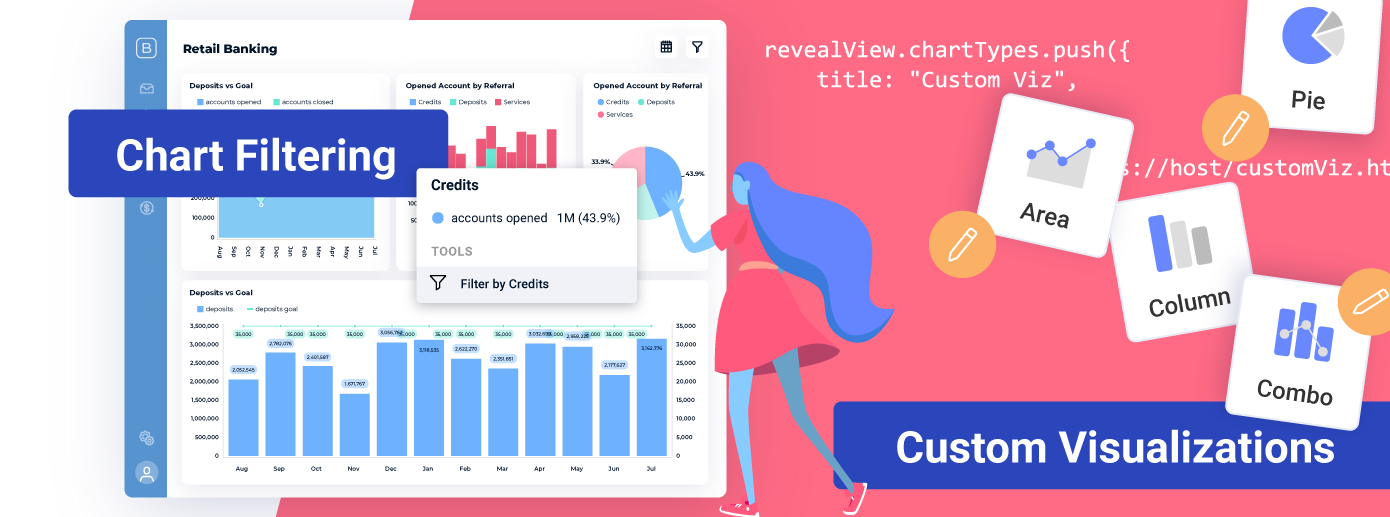
¡Las características Reveal 1.6.0 ya están aquí!
Por Casey Ciniello
Presentamos visualizaciones personalizadas, filtrado de gráficos interactivos y una serie de otras mejoras y correcciones de errores que nos ayudan a brindarle la mejor solución de análisis integrado que se merece.
Sigue leyendo...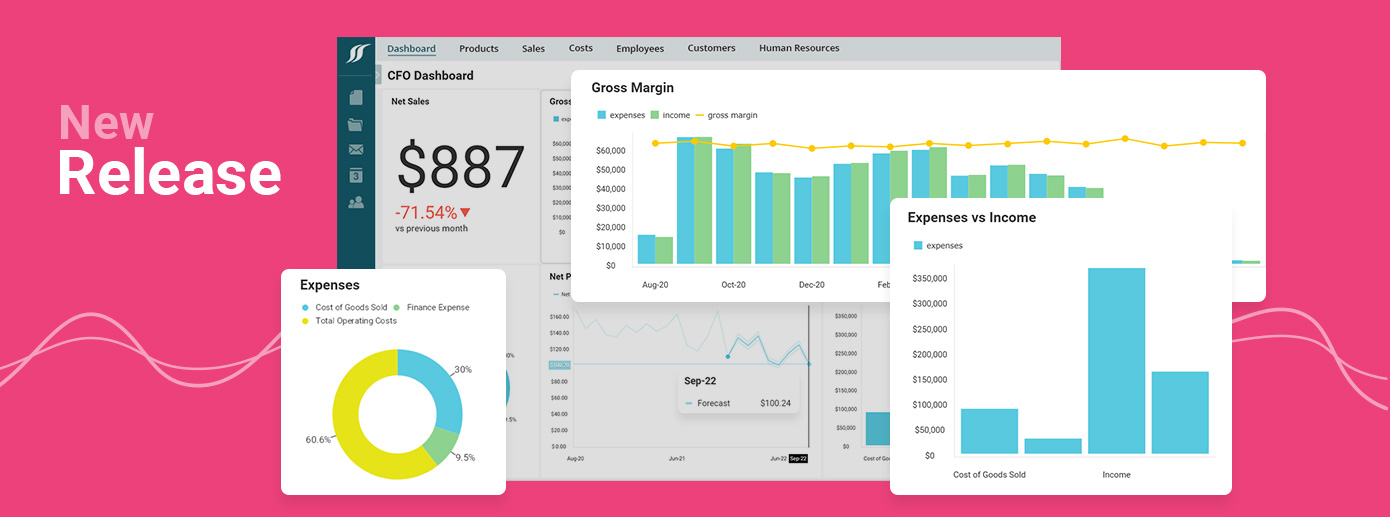
15 nuevas mejoras en Reveal versión 1.4.0
Por Casey Ciniello
Hoy nos complace ofrecer 15 nuevas funciones y mejoras de productos para el editor de visualización Reveal, la API, las fuentes de datos y los documentos.
Sigue leyendo...
Reveal Hoja de ruta para 2023
Por Casey Ciniello
Obtenga una idea de cómo son nuestros planes, en cuanto a funciones, para 2023. Todo lo que agregamos se basa en los comentarios y la demanda de los clientes. Si bien podemos agregar elementos que creemos que nos hacen competitivos en el mercado o características que se basan en la dirección general del mercado o en los comentarios de los analistas, nos ajustamos y adaptamos constantemente a lo que necesita para ofrecer un software exitoso.
Sigue leyendo...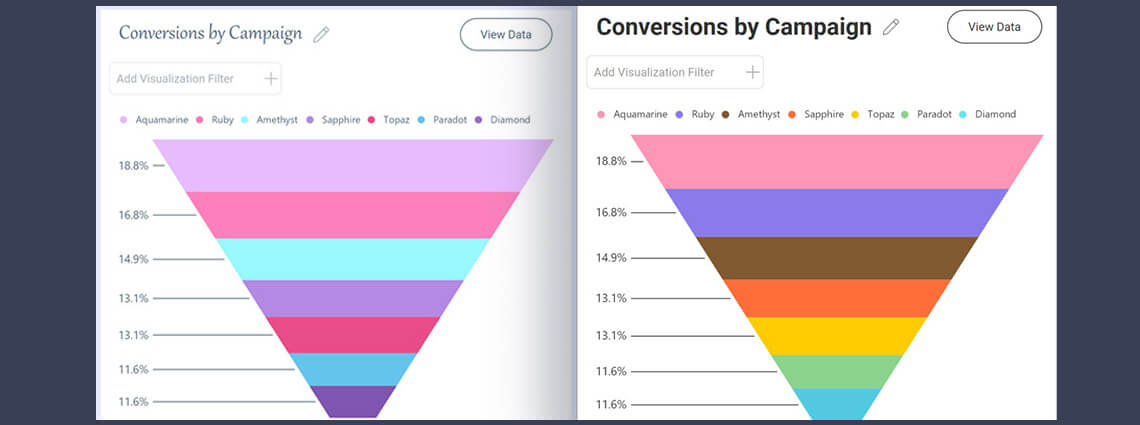
¿Qué es la analítica de marca blanca? (Y por qué la mayoría de las plataformas SaaS se equivocan)
Por Casey Ciniello
La analítica de marca blanca permite a los productos SaaS integrar paneles de control e insights bajo su propia marca, totalmente integrados en la aplicación. Los usuarios interactúan con los datos dentro de la misma interfaz, lo que mejora la adopción y mantiene los flujos de trabajo sin interrupciones. La diferencia clave con la incrustación básica radica en la profundidad de integración. Los enfoques basados en iFrame limitan la personalización y crean experiencias desconectadas, mientras que las plataformas basadas en SDK y API permiten un mayor control, mejor rendimiento y escalabilidad entre los inquilinos. Para los equipos SaaS, esto afecta a la retención, monetización y velocidad de desarrollo, convirtiendo la analítica en una capacidad central del producto en lugar de un complemento externo.
Sigue leyendo...


