




Author
Casey Ciniello
Published posts 66
Casey holds a BA in mathematics and an MBA, bringing a data analytics and business perspective to Infragistics.
She is the Senior Product Manager for the Reveal embedded analytics product
and the Slingshot work management platform.
She is instrumental in Infragistics product development, market analysis and product go-to market strategy. She is also the Survey Lead of the Reveal Software Development Challenges survey, which has been published annually since 2019.
Casey's work has been published in SaaSXtra, SD Times, Solutions Review, Integration Developer News, and Dataversity, among others.
She joined Infragistics in 2013.

How to Monetize Data Analytics: A Guide for ISVs & SaaS Platforms
The fastest way to monetize your data is by embedding white-labeled dashboards directly into your product. While the opportunity is clear, the execution isn’t always easy. Building in-house drains time, money, and dev resources, and choosing the wrong partner can lead to the same bottlenecks that stall monetization efforts.
Continue reading...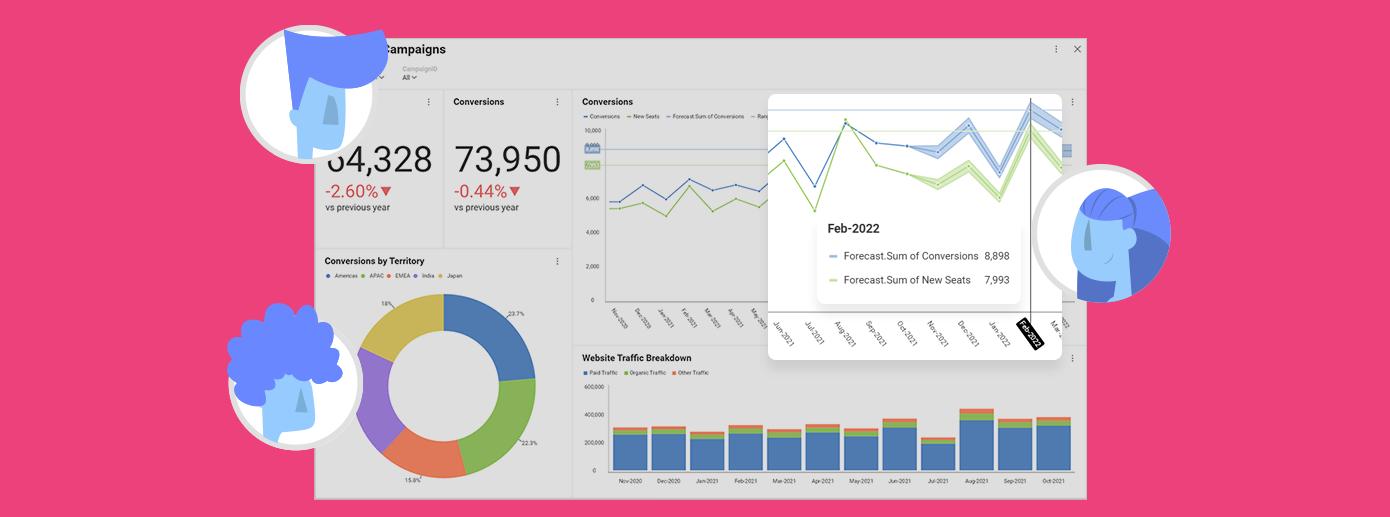
Embedded Analytics for SaaS Companies
The best way to deliver insights in your SaaS product is to embed them directly where users work. No switching tools. No report delays. Building analytics in-house burns time and dev resources. Reveal is purpose-built embedded analytics for SaaS platforms, with a true SDK, full white label control, and fixed pricing that scales. You get in-app self-service analytics without slowing down your roadmap.
Continue reading...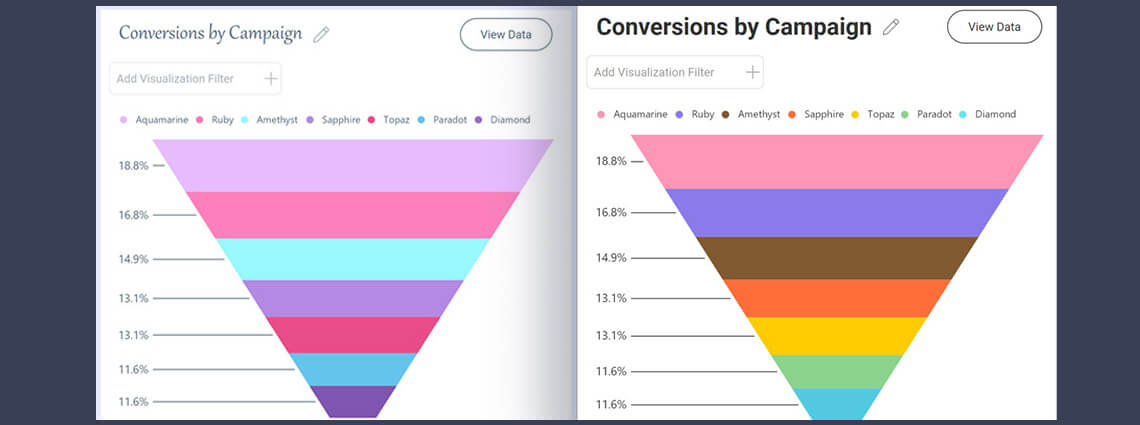
What Is White Label Analytics? (And Why Most SaaS Platforms Get It Wrong)
White label analytics allows SaaS products to embed dashboards and insights under their own brand, fully integrated into the application. Users interact with data inside the same interface, which improves adoption and keeps workflows uninterrupted. The key difference from basic embedding lies in integration depth. iFrame-based approaches limit customization and create disconnected experiences, while SDK and API-based platforms enable deeper control, better performance, and scalability across tenants. For SaaS teams, this affects retention, monetization, and development speed, turning analytics into a core product capability rather than an external add-on.
Continue reading...
The Pricing Secret: What Embedded Analytics Vendors Won't Tell You
In the embedded analytics space, however, you’ll be hard-pressed to find clear, transparent, and publicly available pricing. Most embedded analytics vendors keep their pricing a secret and charge you unpredictable costs like usage and users.
Continue reading...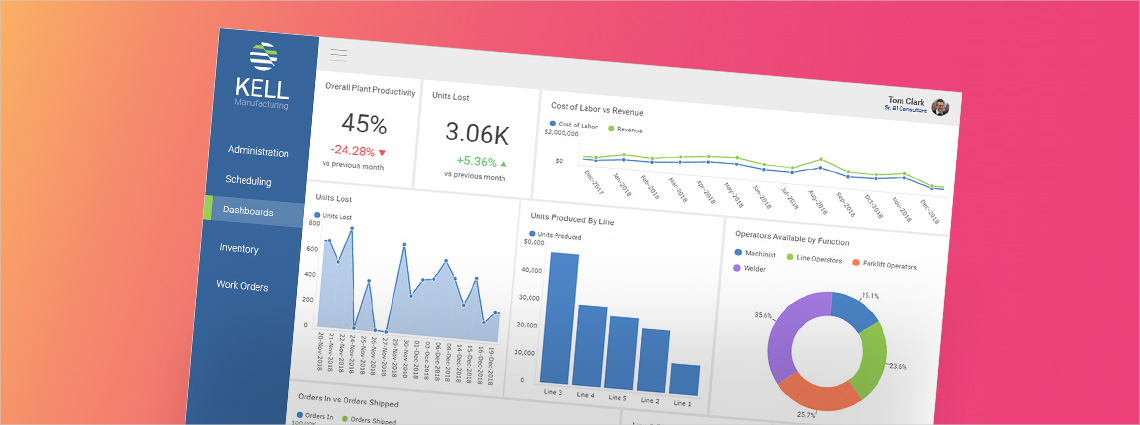
Why is ERP the Most Popular Embedded Analytics Application?
It’s important that analytics and visualizations are embedded within the ERP software itselfitself, so users don’t have to export the data to a separate application. And if the analytics are easy for business users to use with self-service capabilities, then more people throughout a company can do deeper dives into a range of pertinent business data.
Continue reading...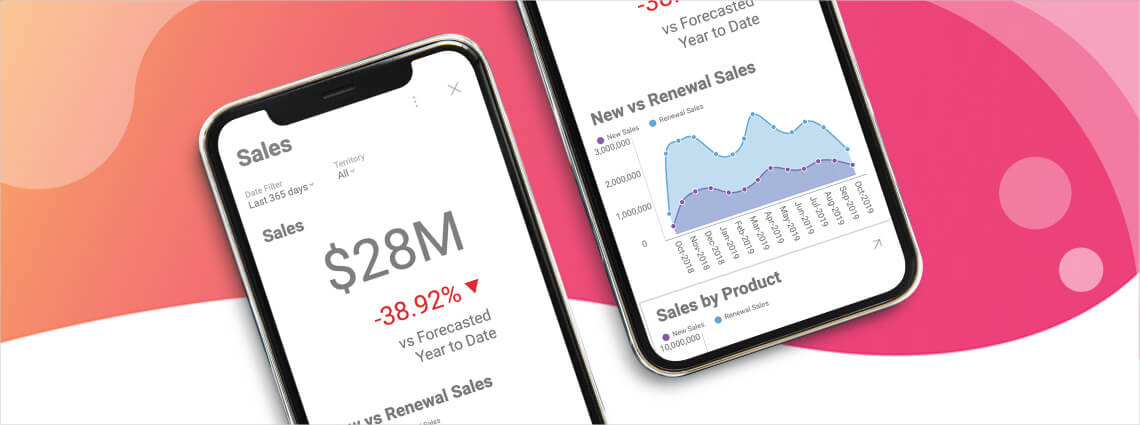
What is Mobile BI & Why is it Important?
Having company insights at your fingertips is the most valuable advantage of mobile BI. You are not limited to one computer in one location, but instead, you can access important data information on your mobile device at any time and from any location.
Continue reading...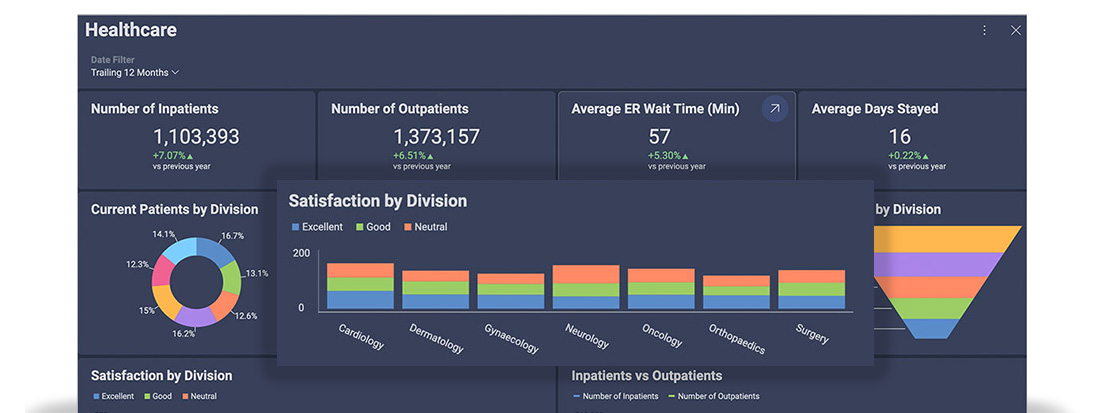
5 Steps to App Modernization
Legacy apps limit product velocity and insight delivery. Embedded analytics in app modernization helps SaaS teams replace slow workflows with in-product decisions. This guide breaks down five practical steps to modernize architecture, improve user experience, and monetize analytics as a product feature. Reveal gives your team the SDKs, security, and white label control to embed fast, scale cleanly, and reduce backlog.
Continue reading...
Why You Need Data Driven Decision Making
Data-driven insights can help you identify business opportunities, detect customer journey leaks, and proactively identify weaknesses in your product before they grow into serious problems.
Continue reading...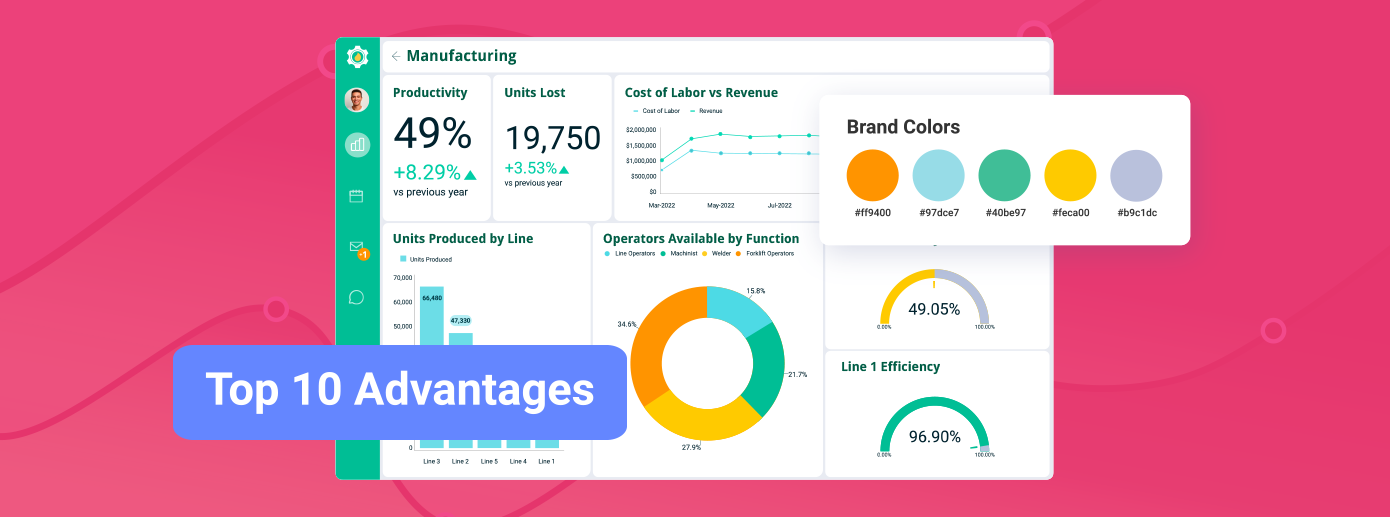
Benefits of Embedded Analytics: The Top 10 Advantages for Your Business
The real value of embedded analytics is how it strengthens products and business outcomes. It shortens development cycles, cuts costs, and keeps analytics inside the workflow where users need it. The biggest payoffs are higher adoption, predictable ROI, and new revenue through monetization. With SDK-first integration, white-label control, and AI-powered insights, embedded analytics delivers scale, flexibility, and a lasting competitive advantage.
Continue reading...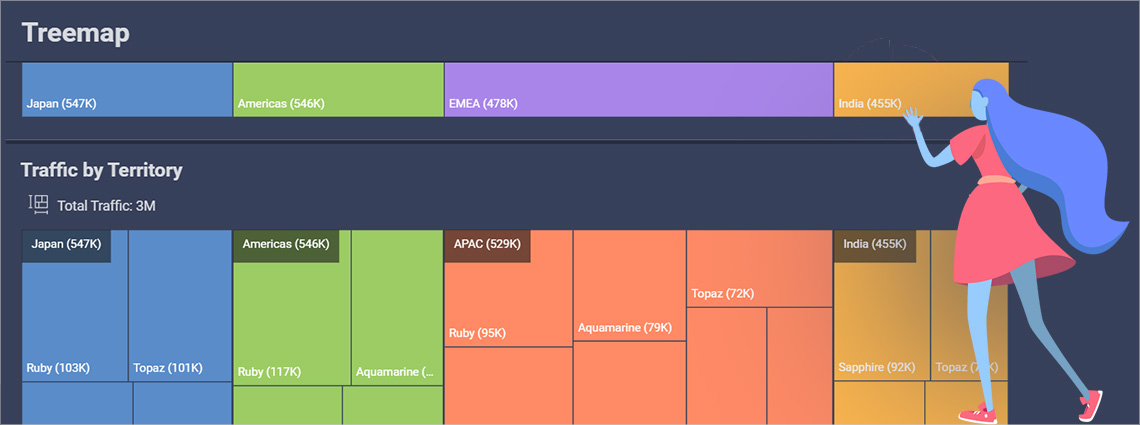
How to Create a Treemap Chart Visualization in Reveal
A Treemap Chart is designed for drill-down scenarios. It shows the relative weight of data points at more than one level allowing users to continuously drill down deeper into the data set that is represented by smaller rectangles for more efficient analysis.
Continue reading...


