



Analytics Modernization
What Is Analytics Modernization?
Analytics modernization refers to the architectural transformation of legacy business intelligence environments into scalable, governed, and AI-ready analytics systems. It replaces fragmented dashboards, duplicated SQL logic, and tool-centric reporting with standardized metric definitions and centralized governance. The goal is to support modern delivery models such as embedded analytics within applications and multi-tenant SaaS environments.
Unlike basic upgrades or infrastructure migrations, analytics modernization restructures how metrics are defined, secured, and accessed. It addresses calculation inconsistencies, removes analytics technical debt, and prepares data systems for AI-driven use cases. The architectural differences become clearer when comparing legacy vs modern embedded analytics approaches, especially in governance and integration models. These distinctions become critical as organizations introduce AI into their analytics stack.
Why Analytics Modernization Is Critical in the AI Era
Artificial intelligence changes how analytics systems operate. Traditional reporting environments were designed for dashboards and scheduled reports, not dynamic reasoning or natural language interaction. When organizations introduce AI analytics, architectural weaknesses become visible. Analytics modernization becomes essential because AI depends on governed data, consistent metrics, and controlled access.

| Legacy BI | Modern Analytics |
|---|---|
| Static dashboards | Conversational insights |
| External reporting tools | Embedded analytics |
| Siloed SQL logic | Governed semantic layer |
| Manual maintenance | Analytics-as-code |
| Add-on LLM integrations | Role-based AI control |
Modern systems now support AI-powered analytics, where users expect answers instead of charts. Capabilities such as conversational analytics and generative AI analytics require traceable metric definitions and strict access rules. AI models cannot operate reliably on inconsistent or undocumented calculations.
AI governance introduces additional requirements:
- Consistent metric definitions across dashboards
- Role-based data access enforcement
- Full traceability of calculations
- Token usage monitoring and cost control
- Compliance guardrails for regulated data
Without these controls, AI increases risk and operational cost
Analytics Modernization vs BI Modernization
Your organization might use the terms interchangeably. Most teams do, but analytics modernization and BI modernization address different layers of the analytics stack. BI modernization typically improves or replaces traditional business intelligence tools. It often focuses on cloud migration, performance upgrades, or vendor replacement. These efforts improve delivery but usually preserve existing metric definitions and reporting structures.
| BI Modernization | Analytics Modernization |
|---|---|
| Tool replacement | Architectural redesign |
| Infrastructure migration | Metric standardization |
| Dashboard continuity | Governed semantic layer |
| Performance tuning | AI-ready architecture |
| External reporting focus | Embedded and multi-tenant support |
Analytics modernization restructures how metrics are defined, governed, and accessed across systems. It removes duplicated calculations, centralizes business logic, and prepares the environment for AI governance. The structural gap becomes clearer when comparing legacy vs modern embedded analytics, especially in how governance and integration are handled. Understanding this distinction helps determine whether the challenge requires platform replacement or architectural transformation.
Signs Your Organization Needs Analytics Modernization
Architectural weaknesses often appear gradually. Teams continue adding dashboards, integrations, and AI tools without restructuring the foundation. Over time, inconsistencies accumulate, and governance gaps widen. These patterns signal the need for analytics modernization rather than incremental fixes.
Common indicators include:
- KPIs differ across dashboards and departments
- Business logic is duplicated in SQL, spreadsheets, or stored procedures
- AI pilots fail due to inconsistent or undocumented metric definitions
- Engineering teams manage frequent reporting fixes
- Governance rules vary across tools and data sources
- Dashboard performance degrades as usage scales
- Multi-tenant reporting introduces data isolation concerns
Many of these symptoms originate from unresolved data integration challenges. Others surface when teams reconsider whether to buy or build their analytics platform after internal complexity grows. Scaling pressures also reflect broader top challenges for embedded analytics in product environments. When these conditions persist, analytics technical debt limits AI reliability and product scalability. Addressing them requires a structured modernization approach rather than incremental optimization.
What Does Data Analytics Modernization Involve?
Data analytics modernization requires structured execution. Organizations must move beyond platform replacement and address architectural inconsistencies. The process focuses on consolidating business logic, standardizing metrics, and preparing systems for AI governance. Analytics modernization succeeds when governance, scalability, and integration are addressed together.
The process typically includes four stages:
- Extract legacy logic
- Standardize and refactor metrics
- Build a governed semantic layer
- Enable embedded and AI capabilities
1. Extract Legacy Logic
Many legacy environments store calculations across dashboards, SQL queries, and application code. Some logic exists inside database procedures, as seen in discussions around stored procedures and embedded analytics. Modernization begins by identifying and documenting these definitions. This step exposes inconsistencies and prevents metric loss during migration. It also clarifies where unresolved data integration challenges affect reporting accuracy.
2. Standardize and Refactor Metrics
After extraction, teams reconcile conflicting formulas and duplicated KPIs. Standardization removes inconsistencies and reduces technical debt in analytics. Metrics receive documented definitions with ownership and version control. This stage improves traceability and prepares systems for AI reasoning. Without refactoring, AI models operate on conflicting logic and produce unreliable output.
3. Build a Governed Semantic Layer
A governed semantic layer centralizes business definitions, access policies, and role-based visibility into a single source of truth. Once it’s in place, your AI services and reporting tools work from the same definitions. No conflicts, no inconsistencies. See the Key Components section below for a full breakdown.
4. Enable Embedded and AI Capabilities
Once governance is established, organizations enable delivery models aligned with product architecture. An embedded SDK supports integration into applications, providing full control over layout and access logic. AI services can then operate on standardized metrics with defined boundaries. This sequence ensures AI operates within governed constraints rather than exposing uncontrolled logic. These structural elements define the foundation of a modern analytics platform.
Key Components of a Modern Analytics Platform
A modern analytics platform extends beyond dashboards and visualizations. It defines how metrics are governed, how insights are delivered, and how AI operates within controlled boundaries. Analytics modernization establishes these architectural layers to reduce risk and improve scalability. Each component must support governance, integration, and multi-tenant control.
Governed Semantic Layer
A governed semantic layer centralizes metric definitions and access policies. It ensures that calculations remain consistent across dashboards, APIs, and applications. Version control and audit logs provide traceability for regulatory environments. This structure eliminates duplicated logic and reduces technical debt in analytics. Without a governed layer, AI models and reporting tools operate on conflicting definitions.
Embedded Analytics Architecture
Modern delivery models prioritize embedded analytics inside applications rather than external reporting portals. An embedded SDK enables direct integration into product workflows. This approach supports customer-facing analytics with consistent role-based visibility. Organizations often combine this with white-label analytics to maintain brand continuity and interface control. Embedded architecture improves performance and supports scalable analytics as usage increases.
AI-Native Capabilities
AI-native capabilities operate on standardized and governed metrics. These systems provide natural language querying, summarization, and anomaly detection. Role-based access control limits what AI can retrieve or generate. Token usage monitoring prevents uncontrolled cost escalation. AI services must operate within defined boundaries to maintain compliance and accuracy.
Security and Compliance Controls
Governance extends to regulatory enforcement and infrastructure security. Modern platforms integrate audit trails, encryption, and role-based access enforcement. Compliance requirements often include SOC 2, HIPAA, and GDPR controls. Architectural design must align with enterprise security policies and deployment standards. These controls become even more critical in multi-tenant SaaS environments, where isolation and governance must be enforced at scale.
Analytics Modernization and Multi-Tenant SaaS Architecture
Multi-tenant SaaS environments introduce architectural complexity that traditional reporting tools were not designed to handle. Each tenant requires strict data isolation, controlled access, and predictable performance. Analytics modernization must address these constraints at the design level. Without structural enforcement, scaling analytics across tenants increases compliance and governance risk.
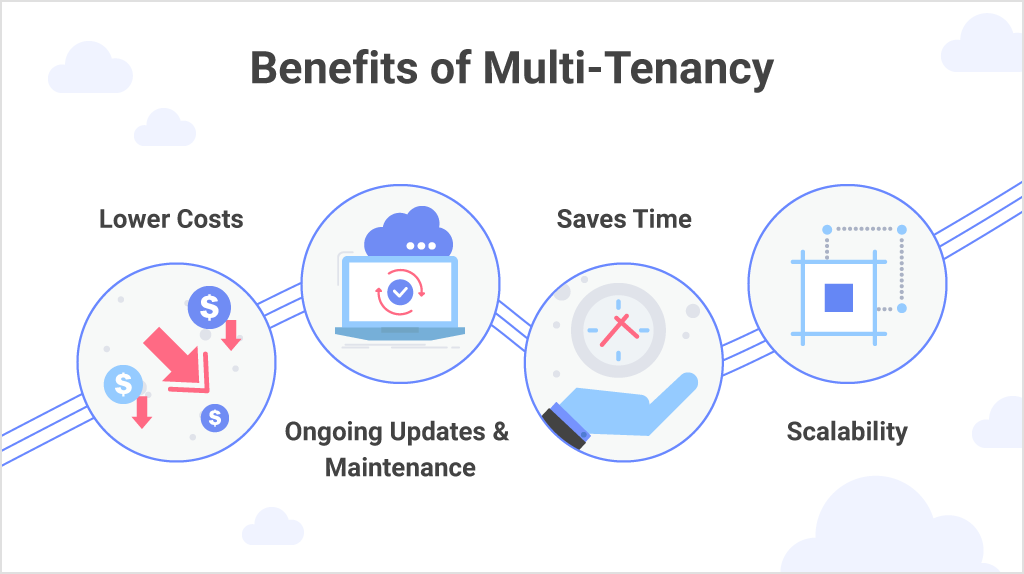
Key architectural requirements include:
- Tenant-level data isolation across dashboards and APIs
- Role-based access control within each tenant
- Centralized metric definitions shared across tenants
- Controlled AI boundaries per tenant
- Performance segmentation as usage scales
Effective tenant isolation depends on managing multi-tenancy data within a governed architecture. Delivery models also matter. SaaS products rely on embedded analytics rather than external portals. Architectural approaches, such as those discussed in embedded analytics vs iframes, demonstrate how integration choices affect control and security. AI services, including AI analytics, must enforce tenant-level boundaries to prevent data leakage or cross-tenant exposure. When these safeguards are implemented at the architectural level, modernization supports both scalability and governance. These controls also define the measurable benefits organizations gain from modernization.
Benefits of Analytics Modernization
Architectural improvements produce measurable operational outcomes. Analytics modernization reduces structural inefficiencies and improves governance consistency. It also prepares organizations for AI adoption without increasing compliance exposure. These benefits extend across technical, operational, and business dimensions.
- Improved data consistency. Centralized metric definitions eliminate conflicting KPIs across dashboards and teams.
- Reduced analytics technical debt. Removing duplicated SQL logic and undocumented calculations simplifies maintenance.
- AI-ready foundation. Governed metrics and traceable access rules support reliable AI reasoning and control.
- Multi-tenant scalability. Standardized architecture supports growth without degrading performance or isolation.
- Performance gains. Modern platforms enable scalable analytics that maintain responsiveness as load increases.
- Stronger customer engagement. Integrated analytics contributes to improved product adoption, as discussed in customer retention with embedded analytics.
- New revenue opportunities. Structured analytics capabilities support monetization strategies aligned with data monetization methods.
- Governance and compliance alignment. Role-based access and audit controls reduce regulatory risk across environments.
Despite these advantages, modernization requires careful planning and disciplined execution.
Common Challenges in Analytics Modernization
Although analytics modernization delivers clear benefits, execution introduces structural complexity. Many organizations underestimate the effort required to reconcile legacy logic and governance gaps. AI adoption increases pressure on metric consistency and access control. Without disciplined planning, modernization efforts can recreate existing risks in a new environment.
- Refactoring legacy logic. Extracting and reconciling calculations from dashboards, SQL scripts, and stored procedures requires careful documentation.
- Resolving analytics technical debt. Years of duplicated KPIs and inconsistent formulas complicate standardization.
- Managing integration complexity. Architectural decisions often expose broader embedded analytics integration challenges across applications.
- Maintaining compliance during transition. Governance gaps can create exposure, especially in regulated environments, as highlighted in discussions around security with embedded analytics.
- Controlling AI cost escalation. Token usage and compute consumption can increase without clear monitoring and boundaries.
- Scaling across tenants. Multi-tenant systems must enforce isolation and performance guarantees, reflecting broader top challenges for embedded analytics.
Each of these challenges reinforces the need for platforms designed to support structured modernization rather than incremental upgrades.
How Reveal Supports Analytics Modernization
Most platforms bolt AI and governance on after the fact. Reveal builds them in from the start. Its architecture is designed for a full modernization stack, governed metrics, role-based access, embedded delivery, and multi-tenant isolation, without requiring you to stitch together separate tools.
- AI-native architecture. Reveal supports governed AI analytics with role-based access controls and defined operational boundaries.
- Embedded SDK integration. Its embedded analytics model allows direct integration into applications without external portals.
- White-label delivery. Support for white-label analytics enables full control over branding and user experience.
- Governance and security controls. Built-in security mechanisms enforce auditability and compliance requirements.
- Structured platform capabilities. A defined set of features supports metric standardization, role-based access, and scalable deployment.
Reveal’s architecture supports multi-tenant SaaS environments and controlled AI execution out of the box. If you’re mapping out your modernization approach, see how Reveal’s architecture handles it.


